Local
Fall Canyon Drives Are Brutal on Windshields — Here's Why

Everyone heads for the canyons at once
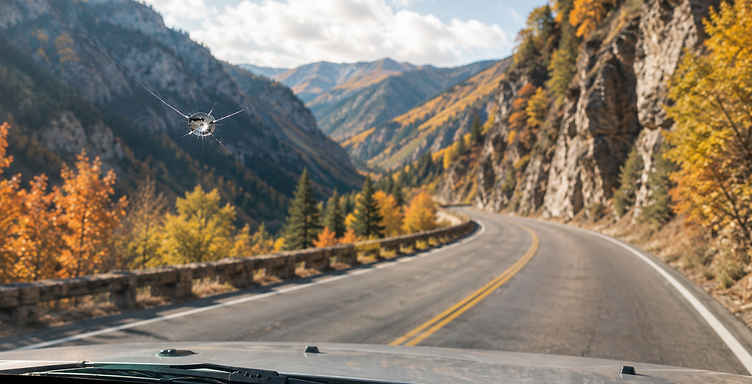
Fall is the best driving of the year in Utah, and everyone knows it. The Alpine Loop, Nebo Loop, Big and Little Cottonwood, Provo Canyon and Guardsman Pass all get packed on September and October weekends — narrow two-lane roads, heavy traffic, and cars following closer than they should. That combination is exactly how windshields get hit. Every vehicle ahead of you is kicking up whatever's on the shoulder, and on a canyon road there's no lane to move over into.
Chip seal and hunting season add to the pile
Road crews rush to finish chip seal and patch work before the first freeze, which means loose aggregate sitting on the surface right when canyon traffic peaks. Hunting season sends a whole other wave of trucks and SUVs onto gravel and forest-service roads across the Uintas, Manti-La Sal, and the west desert, where washboard and loose rock are the whole drive. Las Vegas drivers hit the same thing on the climb up Kyle Canyon to Mount Charleston, or out toward Valley of Fire and Lake Mead, where wind pushes sand and gravel across the road year-round and fall weekend traffic spikes right along with the cooler temperatures.
Catch it before the cold arrives
A fresh chip is at its most repairable in the first few days, before dirt and moisture work into it. That window matters more in fall than any other season, because the cold nights are coming — and a chip that's still sitting in your glass when you start running the defroster on freezing mornings is a chip that turns into a crack. If you picked one up on a canyon drive, get it looked at while it's still small. Our mobile techs come to your driveway or office across the Wasatch Front and the Las Vegas valley, and most repairs take about half an hour.